
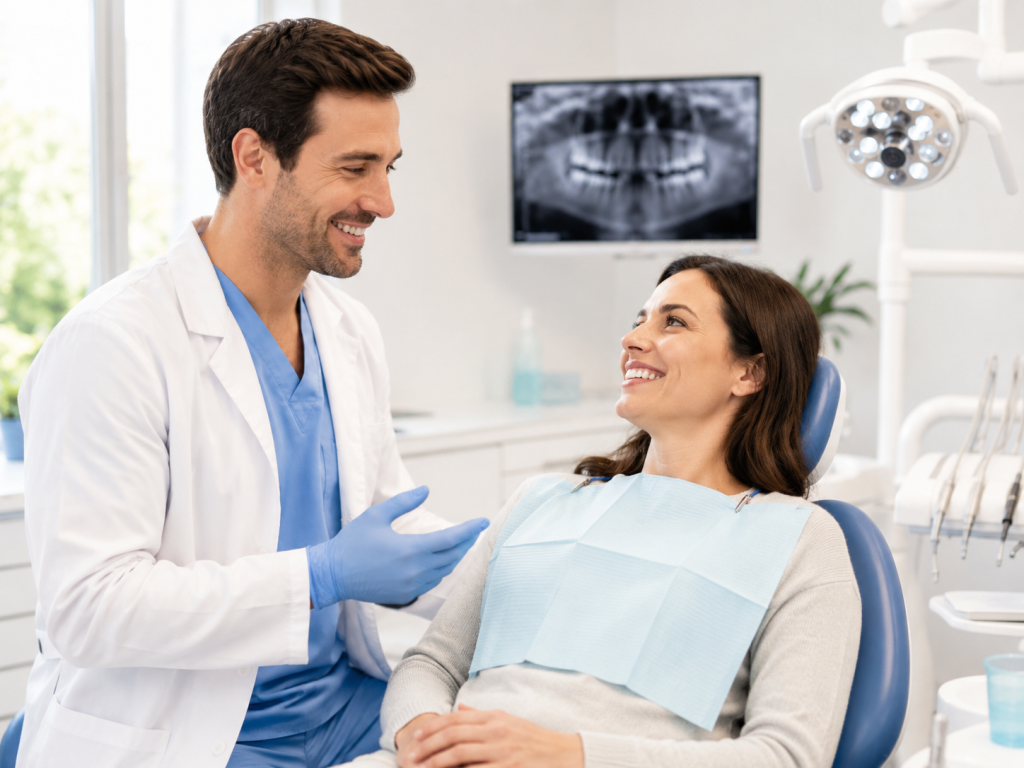
If someone in Stockton wants a straighter smile without metal braces, Invisalign offers a discreet, comfortable path that fits daily life. You can straighten teeth using clear, removable aligners designed and monitored by local dental experts, often with fewer office visits and less visible hardware than traditional braces.
This article explains how Invisalign works, who qualifies, what to expect at a Stockton consultation, and how treatment affects daily routines and costs. You will learn practical next steps and why choosing an experienced Stockton provider matters for comfort, predictable results, and long-term oral health.
How Invisalign Works
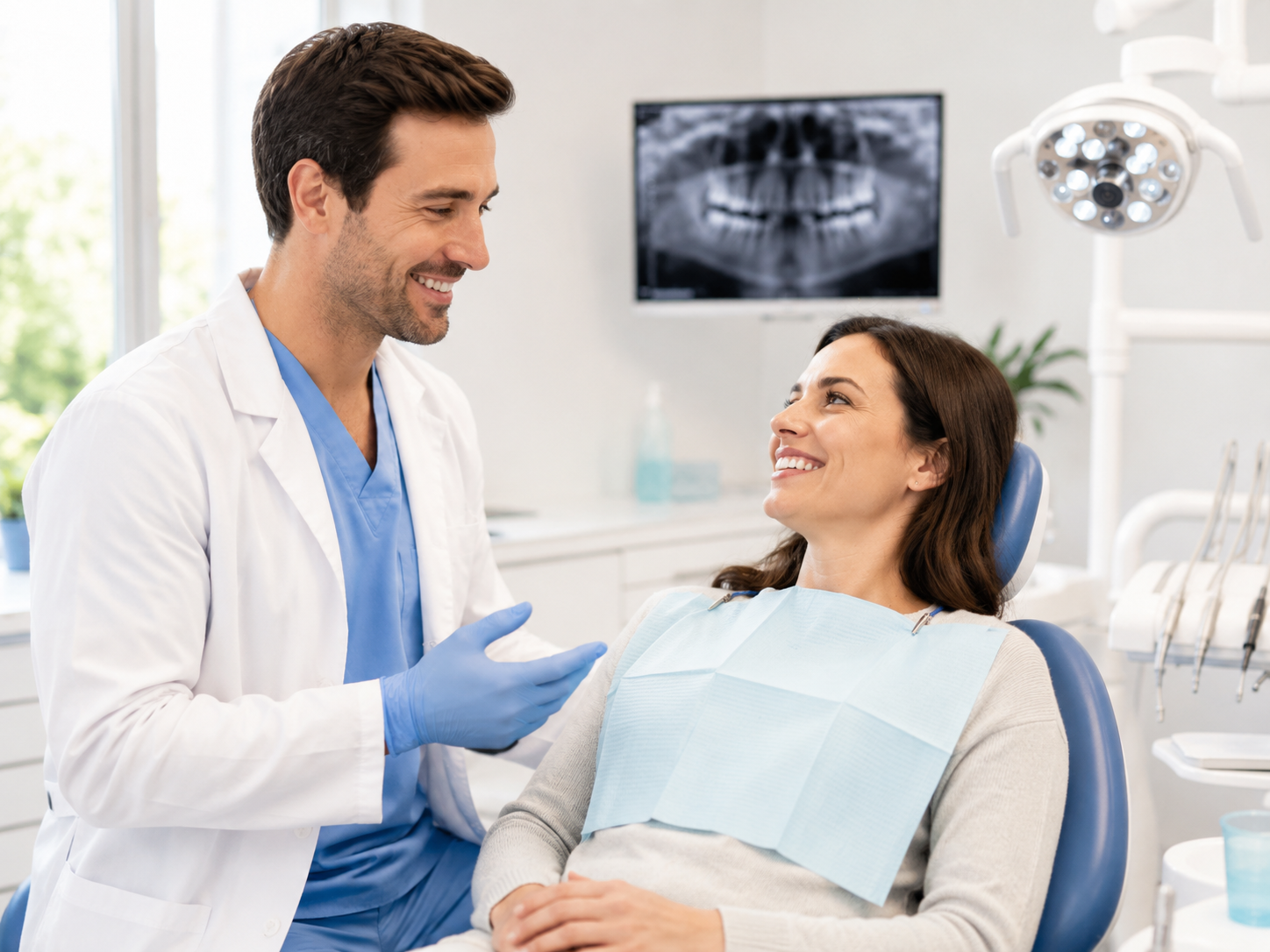
Invisalign uses clear, removable aligners to move teeth precisely over time. It relies on digital planning, staged aligners, and periodic dentist checks to achieve predictable tooth movement with minimal lifestyle disruption.
Clear Aligner Technology Explained
Invisalign aligners are made from a medical-grade thermoplastic called SmartTrack. The material fits snugly over teeth, applying gentle, continuous pressure to specific teeth or groups of teeth based on the treatment plan.
A 3D digital scan of the mouth creates a series of incremental tooth positions. Each aligner represents one step in the planned movement; wearing an aligner for about 1–2 weeks shifts teeth a fraction of a millimeter before the patient moves to the next tray.
Attachments—tiny tooth-colored bumps bonded to selected teeth—help the aligner grip and apply targeted forces. These attachments are removed after treatment and are usually barely noticeable while wearing aligners.
Steps of the Treatment Process
The process starts with a consultation and a digital scan or impression to capture tooth positions. The dentist uploads the scan to Invisalign’s planning software to design a ClinCheck treatment map showing each planned tooth movement and the expected timeline.
After patient approval, a custom set of aligners is fabricated and delivered. Patients wear aligners 20–22 hours per day, only removing them to eat, drink (anything other than water), brush, and floss. Regular check-ins every 6–10 weeks let the dentist monitor progress and make adjustments if needed. Treatment length typically ranges from 6 to 18 months depending on complexity. Retainers follow treatment to maintain results.
What Makes Invisalign Different from Braces
Invisalign uses removable, nearly invisible trays instead of fixed metal brackets and wires. This means patients can eat without dietary restrictions and maintain normal oral hygiene by brushing and flossing without special tools.
The treatment is digitally planned, offering a visual roadmap of the expected outcome before starting. This predictability reduces surprise and helps set realistic expectations. For mild to moderate misalignment and many complex cases with adjunctive techniques, Invisalign often produces similar results to braces with greater comfort and fewer emergency visits for wire or bracket issues. Considerations include patient compliance and specific tooth movements that may still require traditional braces.
Who Is a Good Candidate
Invisalign works well for many people who want a discreet, removable way to straighten teeth while keeping daily routines intact. Candidates typically need good oral health, commitment to wearing aligners, and specific alignment goals that align with what clear aligners can correct.
Treatment for Teens and Adults
Both teens and adults can use Invisalign, but treatment planning differs by age. Teens often benefit from aligners with compliance indicators and occasional supervision to ensure they wear them 20–22 hours daily. Growth considerations matter for younger teens; an orthodontist evaluates jaw development and may recommend waiting or combining treatments if growth is incomplete.
Adults make up a large portion of Invisalign patients because they value esthetics and convenience. They must have healthy gums and minimal untreated decay before starting. Adults with prior restorative work (crowns, implants) can still get aligners, though the clinician will map tooth movements carefully around fixed prosthetics.
Addressing Common Alignment Issues
Invisalign effectively treats mild to moderate crowding, spacing, and many cases of overbite, underbite, and crossbite. The system uses digital scanning and sequenced aligners to move teeth predictably when movements are within orthodontic limits. Complex bite corrections or large vertical movements may require traditional braces or hybrid approaches.
Orthodontists evaluate case complexity using X-rays and 3D scans. They plan incremental tooth movements and predictability factors like rotation of rounded teeth or correcting severely tipped roots. If aligners alone aren’t ideal, clinicians might add attachments, interproximal reduction (IPR), or temporary anchorage devices to achieve the desired result.
Discussing Lifestyle Factors
Daily wear time impacts outcomes: patients must wear aligners about 20–22 hours a day and remove them only for eating and oral hygiene. Those with busy schedules who can’t commit to consistent wear may not be good candidates, since missed wear delays progress and can extend treatment length.
Oral hygiene matters because aligners trap bacteria against tooth surfaces; candidates must brush and floss regularly and clean aligners daily. People who smoke, frequently drink staining beverages, or play wind instruments should discuss expectations, as these activities affect aligner cleanliness and appearance. Those open to follow-up visits and incremental adjustments usually achieve the best results.
What to Expect During Your Stockton Consultation
Patients can expect a clear, step-by-step review of their teeth, a digital preview of likely results, and a personalized treatment plan with timelines, costs, and comfort measures explained.
Digital Smile Assessment
The consultation begins with a digital smile assessment using an intraoral scanner and high-resolution photos.
The scanner captures precise 3D models of the teeth in minutes, replacing messy impressions and giving an immediate view of tooth positions and bite relationships.
Clinicians use the digital models to simulate tooth movement and generate a visual preview of expected results.
This simulation shows alignment changes, estimated number of aligner sets, and a projected timeline in months. Patients see before-and-after overlays and can ask about specific areas like spacing, crowding, or bite correction.
The assessment also includes a review of X-rays when needed to check roots and bone support.
Technicians document any periodontal concerns, missing teeth, or restorations that could affect treatment.
Clear images and simulations help patients decide comfortably whether to proceed.
Personalized Treatment Planning
After the assessment, the dentist or orthodontist creates a customized plan detailing each phase of care.
This plan lists the number of aligners, wear schedule (typically 20–22 hours/day), and expected appointments every 6–10 weeks for progress checks.
The plan outlines costs, insurance estimates, and available financing or in-office payment options.
Staff explain practical matters: how to insert and remove aligners, cleaning routines, and tips to minimize speech changes or soreness during the first week.
Providers also address adjunctive needs: attachments on teeth, interproximal reduction (IPR) to shave enamel when needed, or use of elastics for bite correction.
They set realistic milestones and document contingency steps if teeth respond slower than expected.
Patients leave with a printed treatment summary, digital images, and instructions for next steps, plus contact information for questions.
Daily Life With Invisalign
Living with Invisalign in Stockton CA usually fits into daily routines with a few practical adjustments. Most patients wear aligners 20–22 hours daily, remove them for meals, and follow simple cleaning steps to keep trays clear and teeth healthy.
Wearing and Caring for Aligners
Patients should wear aligners 20–22 hours per day to stay on schedule; skipping wear can extend treatment. They switch trays every one to two weeks as directed and bring spare aligners when traveling.
Clean aligners daily using a soft toothbrush and lukewarm water; avoid hot water that warps plastic. Use a clear, fragrance-free retainer cleaner or denture tablet twice weekly to remove buildup. Store aligners in a hard case when not worn to protect them from damage and pets.
If an aligner chips or cracks, call the Stockton provider promptly; they may advise wearing the previous tray or the next one, depending on fit. Keep appointment intervals and virtual check-ins to monitor progress and get replacements if needed.
Eating and Drinking Guidelines
Patients remove aligners for all eating and drinking except plain water. Eating with trays in can cause staining, warping, and trapped food particles that raise decay risk.
Rinse teeth and aligners after snacking before reinserting to reduce bacteria and odor. Avoid dark-colored beverages like coffee, tea, and red wine unless teeth are rinsed afterward and aligners cleaned to prevent discoloration.
Use reusable or portable cleaning tablets and a travel case for work or outings. When treating with attachments, chewing soft foods initially reduces discomfort; most people adapt within a few days.
Maintaining Oral Hygiene
Brushing and flossing after every meal prevents plaque from forming under aligners. Patients should brush for two minutes and floss thoroughly before reinserting trays.
Use fluoride toothpaste and a soft-bristled brush to protect enamel and gum tissue. An interdental brush or water flosser helps clean around attachments and between teeth where aligners trap food.
Schedule regular dental cleanings in Stockton every six months or as advised. Maintaining professional checkups reduces the chance of cavities or gum issues that could interrupt Invisalign progress.
Benefits of Clear Aligners in Stockton
Clear aligners offer discreet tooth movement with predictable scheduling and fewer in-office adjustments. Patients typically gain improved comfort, easier oral hygiene, and treatment that fits local work and social routines.
Comfort and Aesthetics
Clear aligners use smooth, BPA-free plastic trays that sit over teeth, reducing the irritation common with metal brackets and wires. Most patients report mild pressure during the first few days of a new tray, then rapid adaptation; soreness usually resolves within 48–72 hours.
Aesthetic benefits matter for professionals and students in Stockton who meet clients or attend classes. Aligners are nearly invisible in photos and video calls, allowing patients to maintain a professional appearance while undergoing treatment.
Aligners also avoid wire breakage and metal pokes, lowering emergency visits. For people with mild gum sensitivity, removable trays make it easier to use prescribed oral rinses or soft toothbrushes, improving daily comfort.
Convenience of Fewer Office Visits
Treatment planning begins with a detailed 3D scan, which maps tooth movement and reduces the need for frequent in-person adjustments. After the initial setup, patients typically visit the dentist every 8–12 weeks for progress checks instead of every 4–6 weeks required by many braces protocols.
Fewer appointments help Stockton residents who juggle work, school, and family schedules. When issues arise, many practices offer remote monitoring or single-visit solutions for attachments and refinements, minimizing time away from daily responsibilities.
Because patients switch trays at home, travel and childcare logistics decrease. This model also often speeds administrative coordination with insurance or flexible financing, streamlining the overall experience.
Cost Factors and Financing Options
This section explains what determines Invisalign pricing in Stockton and how patients typically pay for treatment. It focuses on fee drivers like case complexity and practical payment choices such as dental insurance and in-office plans.
Understanding Treatment Costs
Invisalign cost in Stockton usually ranges from about $3,500 to $7,500 depending on specific factors. Case complexity ranks first: minor alignment needs lean toward the lower end, while full-mouth corrections or bite issues increase time and cost.
Treatment duration and number of aligner sets also affect price; longer plans require more aligners and monitoring visits. Additional fees may include initial consultation scans, X-rays, attachments or refinements, and retainers after treatment.
Provider experience and technology matter too. A certified Invisalign provider who uses iTero scans and digital treatment planning may charge more but can reduce visits and improve predictability. Location-based pricing applies: downtown Stockton practices may list higher fees than suburban clinics. Patients should request a written estimate that itemizes scans, aligners, visits, retainers, and possible extra procedures.
Insurance and Payment Plans
Many dental insurance plans cover part of orthodontic care; coverage varies widely. Patients should contact their insurer to ask specifically whether Invisalign is listed under orthodontic benefits, the lifetime maximum for orthodontics, and any age-related restrictions. Typical coverage percentages range from 20% to 50% of orthodontic fees up to a set lifetime cap.
Most Stockton practices offer financing options to spread costs. Common choices include in-office payment plans, third-party medical credit (e.g., CareCredit), and low- or no-interest periods for 6–24 months. Upfront discounts often apply for full payment, while monthly plans might require a down payment. Patients should compare APR, total cost, and penalties for missed payments.
Dental practices usually handle insurance claims directly and can estimate patient responsibility before starting treatment, which helps avoid unexpected bills.
Why Choose a Local Stockton Dental Expert
Choosing a nearby provider matters for clear communication, faster appointments, and treatment tailored to local patient needs. A local expert combines hands‑on Invisalign experience with accessible follow‑up care.
Experience with Invisalign Cases
They have treated a wide range of Invisalign cases, from mild spacing to complex bite corrections that require careful staging and attachments. Staff often include a certified Invisalign provider plus experienced hygienists who document progress with intraoral scans and regular photos.
Patients benefit from clinicians who know which aligner protocols work best for the community’s common concerns, such as relapse after earlier orthodontic work or adult crowding. The dentist can show before‑and‑after cases, explain expected timelines, and present realistic outcomes based on local patient data. Insurance and financing familiarity speeds approvals and reduces surprises.
Their office uses digital impressions and 3D treatment planning, which improves predictability and reduces the need for rework. Clear communication about expected aligner wear time, refinement stages, and retention helps patients stick to the plan and get reliable results.
Ongoing Support Throughout Your Journey
Local practices schedule regular in‑office checks every 6–10 weeks, allowing the team to monitor fit, tooth movement, and oral health signs like gum inflammation or decay. They can make same‑day adjustments, provide additional aligners for wear issues, or recommend small composite attachments to improve control.
Support includes practical coaching: techniques for inserting and removing aligners, managing soreness with over‑the‑counter options, and cleaning tips to prevent staining. Staff also coordinate retainers at the end of treatment and set recall appointments to ensure long‑term stability.
Patients have quick access to emergency care for broken trays or sharp edges, avoiding weeks of delay that remote-only providers sometimes cause. Local experts also maintain direct lines with specialists—periodontists or oral surgeons—so interdisciplinary needs get addressed promptly.
Next Steps Toward a Straighter Smile
Patients in Stockton can start by scheduling a consultation with a local Invisalign provider to evaluate whether clear aligners suit their needs. The dentist or orthodontist will review medical history, take X-rays or 3D scans, and discuss goals in plain language.
After the exam, the practice often creates a digital treatment plan that shows expected tooth movement and estimated timeline. This visual makes it easy to compare options and understand steps, from aligner changes to routine check-ins.
Costs, insurance coverage, and financing get addressed next so patients know payment options before treatment begins. Many offices offer flexible plans; clear pricing reduces surprises and helps families budget.
Once treatment starts, patients wear aligners most of the day and swap sets every 1–2 weeks per the provider’s instructions. Regular short visits—usually every 6–10 weeks—let the clinician monitor progress and make minor adjustments if needed.
Comfort and hygiene matter throughout treatment; providers teach how to clean aligners and protect teeth from staining. They also recommend retainers after active treatment to keep smiles stable.
To move forward, patients should call or book an appointment online with a trusted Stockton Invisalign provider, bring any prior dental records, and prepare questions about lifestyle, timing, and costs. A friendly consultation clarifies expectations and helps them decide on the best path to a straighter, healthier smile.
Frequently Asked Questions
This section answers common concerns about cost, candidacy, timeline, comfort, appointments, and choosing a local provider in Stockton. Each question gives clear, practical details so readers know what to expect and how to prepare.
How much should I expect to pay for clear aligner treatment in California, and what factors affect the final price?
Typical full-course clear aligner treatment in California ranges from about $3,000 to $8,000. Stockton practices often fall near the state average but may run lower or higher depending on services.
Final price depends on complexity of tooth movement, length of treatment, and whether attachments or refinements are needed. Additional costs include retainers, X-rays, and any preparatory work such as fillings, extractions, or IPR (interproximal reduction).
Provider factors also change cost: board-certified orthodontists often charge more than general dentists offering aligners. Financing, insurance coverage, and in-office promotions can reduce out-of-pocket expenses.
What happens during the first consultation with an orthodontist, and how do I know if I’m a good candidate for clear aligners?
The first visit usually includes a dental and medical history review, a clinical exam, digital impressions or scans, and diagnostic X-rays. The orthodontist explains treatment options, estimated timeline, and a cost breakdown.
Candidates need sufficient tooth enamel and healthy gums; severe jaw discrepancies or very complex tooth movements sometimes require braces or surgical options. The clinician will present a personalized treatment plan and show predicted tooth movements or a 3D treatment preview when possible.
How long does treatment typically take, and what can make it move faster or slower?
Average treatment time for mild to moderate cases is 6 to 18 months. Complex movements like large rotations, significant bite changes, or space closures usually extend the timeline.
Patient factors affect speed: consistent aligner wear (20–22 hours daily) and following instructions speed progress. Missed wear, poor oral hygiene, or skipped appointments slow or disrupt treatment and may require refinements.
Will wearing aligners hurt, and what are the easiest ways to stay comfortable during the first few days?
Mild to moderate pressure and soreness are normal for the first 2–7 days with a new tray as teeth shift. This discomfort typically subsides and is less intense than many assume.
Over-the-counter pain relievers, cold packs, and eating soft foods for a day or two help. Using aligner chewies and switching trays at night can reduce soreness and improve fit.
How often will I need check-ins, and can some appointments be handled with remote monitoring?
In-office check-ins usually occur every 6–10 weeks to track progress and receive new sets or adjustments. Some providers offer hybrid care with fewer in-person visits.
Remote monitoring through photos or apps can replace some visits for straightforward cases. Complex adjustments, attachments, or refinements still require in-person appointments.
How do I compare local orthodontic offices—like experience, technology, and reviews—so I feel confident choosing the right provider?
Check provider credentials: look for board certification, years of experience, and the number of clear-aligner cases treated. Ask whether the practice uses digital scanners, 3D treatment planning, and offers in-house or third-party aligner systems.
Read recent patient reviews for consistency in results, communication, and comfort during treatment. Request before-and-after photos from the office and compare fees, warranty/refinement policies, and available financing before deciding.