
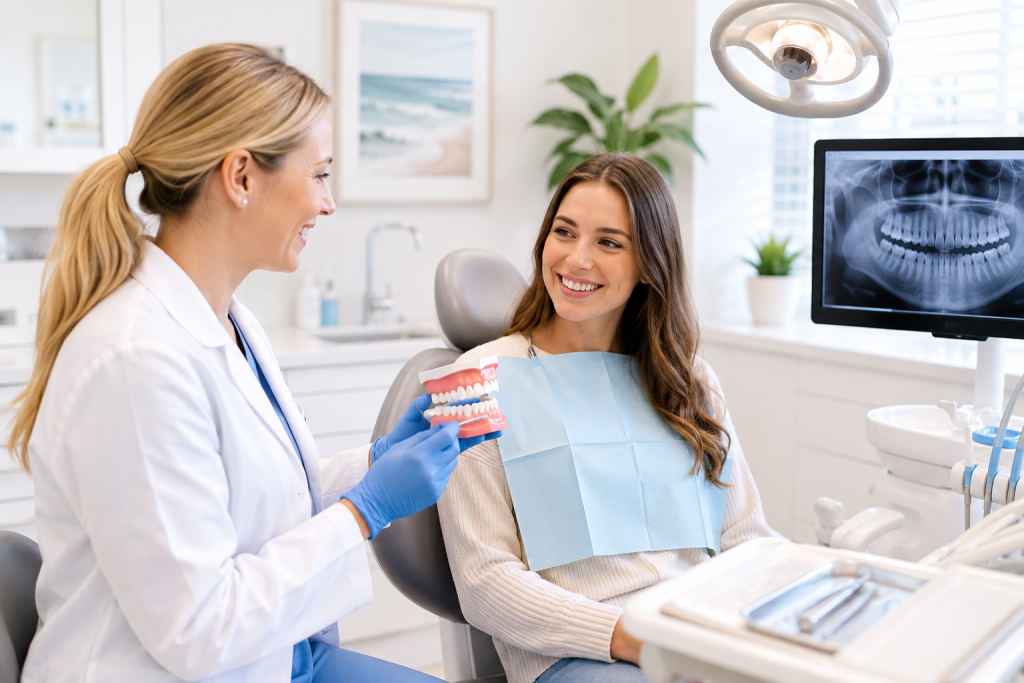
When a dental emergency happens in Stockton, you need clear steps and fast care to protect your smile and comfort. Local emergency dental clinics and same-day appointments in Stockton can stop pain, save teeth, and guide you through immediate treatment options.
They explain what counts as a true emergency, show you what to do first, and offer modern treatments that minimize visits and recovery time. Expect practical advice on costs, what to bring to an emergency visit, and how to choose a nearby dentist who prioritizes comfort and quick, effective care.
Understanding Dental Emergencies
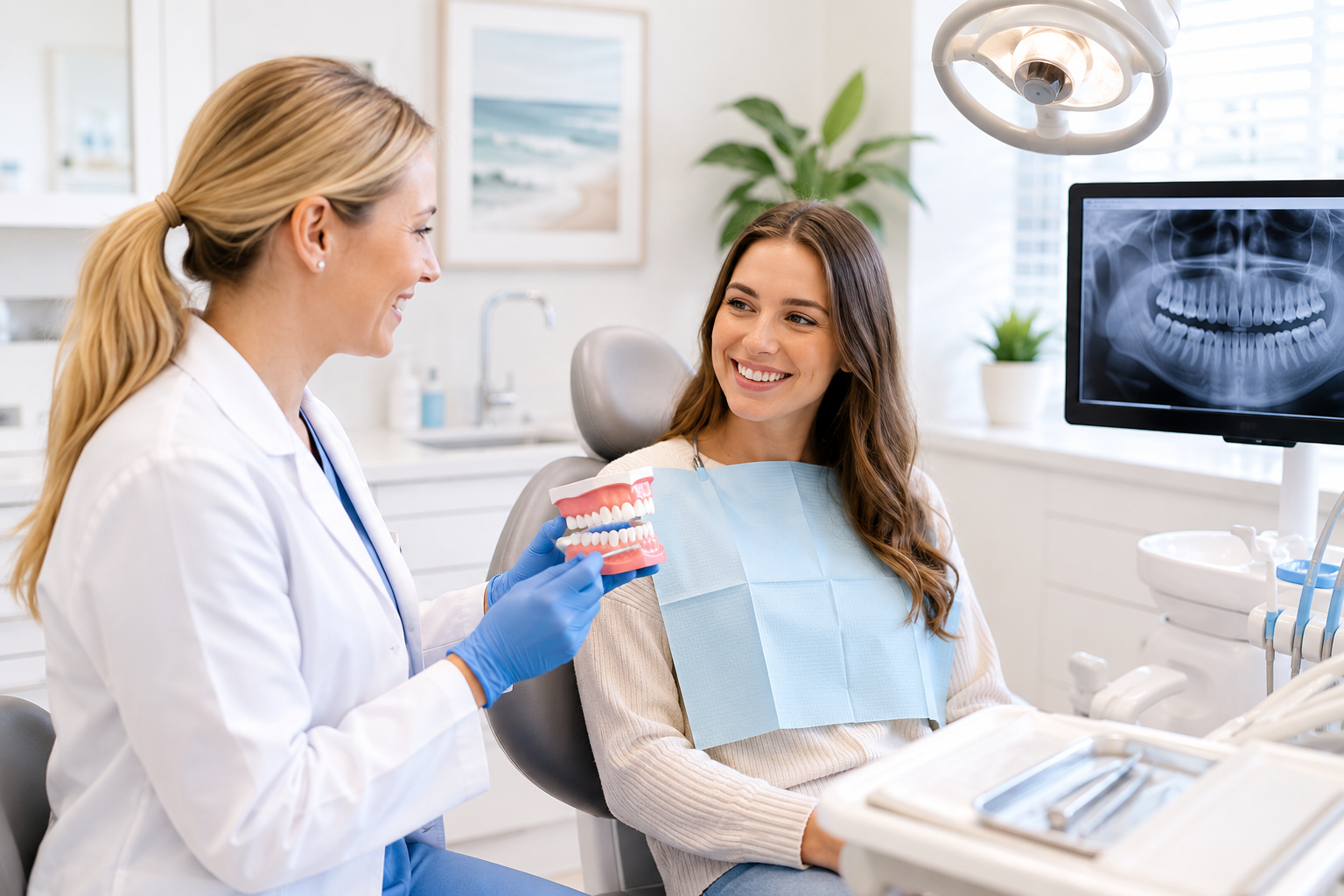
This section explains how to spot true dental emergencies, common causes of sudden tooth pain or injury, and why urgent care differs from routine dental visits. It focuses on clear signs, likely causes, and immediate steps a patient should expect.
Recognizing Urgent Dental Problems
A dental emergency requires prompt professional care to stop bleeding, relieve severe pain, or prevent permanent tooth loss. Visible issues that demand immediate attention include uncontrolled oral bleeding, a knocked-out (avulsed) tooth, a fractured tooth exposing the pulp, and swelling that affects breathing or swallowing.
Pain alone can be urgent when it is severe, sudden, or accompanied by fever, facial swelling, or persistent drainage. If a patient cannot bite together normally or has a tooth that feels loose after trauma, they should seek emergency care within hours. For a knocked-out tooth, preserve it in milk or saline and see a dentist within 1 hour for the best chance of re-implantation.
Common Causes of Dental Pain
Tooth pain most commonly stems from infection, trauma, and acute inflammation. Deep decay that reaches the dental pulp causes sharp or throbbing pain and often indicates the need for a root canal or extraction. Cracked or fractured teeth allow bacteria to reach inner tissues, triggering intense localized pain that worsens with temperature changes or biting.
Gum infections and abscesses produce constant, aching pain plus swelling and sometimes fever. Trauma from falls, sports, or accidents can cause broken teeth, soft-tissue cuts, and jaw injuries. Temporomandibular joint (TMJ) flare-ups and sinus infections may mimic dental pain, so a clinical exam and sometimes imaging help pinpoint the true source.
How Dental Emergencies Differ from Routine Care
Emergency dental care focuses on immediate stabilization, pain control, and preventing complications. Treatment priorities include stopping bleeding, draining abscesses, removing loose fragments, and securing or re-implanting teeth. Definitive restorative work—like crowns or complex root canal therapy—may be scheduled for a follow-up once the acute issue settles.
Routine dental care emphasizes prevention: cleanings, exams, fillings, and elective cosmetic work. Those appointments do not address uncontrolled pain, active infection, or trauma. Emergency clinics often offer extended hours and on-call providers to treat urgent problems quickly and reduce the risk of tooth loss or systemic infection.
- Quick action steps: call a dental office, control bleeding with clean gauze, apply cold compresses to reduce swelling.
- What to bring: a list of medications, a clean container with a preserved tooth (if applicable), and photo ID for emergency registration.
Immediate Steps to Take When a Dental Emergency Occurs
Act quickly, stay calm, and gather essential information to help the dental team treat injuries efficiently. Simple, specific actions in the first minutes can reduce pain, prevent infection, and improve the chance of saving a tooth.
Staying Calm During a Crisis
They should take slow, steady breaths and focus on practical steps rather than panic. Panic raises heart rate and can make bleeding worse; a few deep breaths helps the person think more clearly.
If bleeding is present, have them sit upright and lean forward slightly to avoid swallowing blood. Apply firm, direct pressure with clean gauze or a cloth for 10–20 minutes; if bleeding soaks through, add more gauze without removing the original piece.
For knocked-out teeth, hold the tooth by the crown (the chewing surface), not the root, and gently rinse with plain water if dirty. Attempt to reinsert the tooth into its socket if the person is conscious and cooperative; otherwise place the tooth in milk or saline and get to the dentist within 30–60 minutes.
If a person shows signs of severe head injury, difficulty breathing, or uncontrolled bleeding, call emergency services immediately and avoid moving them unless necessary. Staying composed and assigning simple tasks to bystanders (call clinic, get ice, gather ID/insurance) helps manage the situation efficiently.
Home Care Tips Before Seeing a Dentist
They should control pain and swelling quickly and safely while arranging professional care. Over-the-counter analgesics like ibuprofen reduce pain and inflammation; follow label dosing and avoid aspirin for children.
Apply a cold pack wrapped in cloth to the outside cheek for 10–15 minutes on, 10 minutes off, to limit swelling and numb the area. Avoid heat, which can increase bleeding and swelling in the first 24 hours.
For broken teeth, save fragments in milk or saline and bring them to the appointment in a sealed container. Rinse the mouth with warm salt water (½ teaspoon salt in 8 oz water) to clean the area, and use a soft-bristled toothbrush to avoid irritating soft tissues.
If a tooth is loose but not completely out, do not wiggle it; stabilize it by biting gently on gauze or a soft cloth. Avoid hard, crunchy, or sticky foods until a dentist evaluates the injury. Keep medications, a list of allergies, and recent dental records handy to speed treatment.
What Information to Have Ready for the Dental Team
They should prepare concise, relevant details to help the dental team make fast, accurate decisions. Having information ready reduces delays and avoids repeated questioning during stressful moments.
Provide the patient’s full name, date of birth, and best phone number for contact. Have insurance details and a photo ID available; if uninsured, ask about payment options when calling.
List current medications, especially blood thinners (e.g., warfarin, apixaban), aspirin, or recent antibiotic use, and note allergies to medications or latex. Describe the injury clearly: time it happened, cause (sports, fall, bite), symptoms (bleeding, numbness, loose tooth), and any first-aid already given.
If possible, bring a photo of the injured tooth or the tooth fragment, recent dental X-rays, and the patient’s medical history (diabetes, heart conditions, immunosuppression). This targeted information helps the dentist prioritize tests and treatment, and can shorten time to definitive care.
Modern Treatment Options in Stockton
Stockton clinics prioritize fast pain control, infection prevention, and durable tooth repair using techniques that reduce time in the chair and lower complication risk. Treatments balance immediate relief with plans for lasting function and esthetics.
Pain Relief and Infection Control
Clinics begin with targeted local anesthesia to stop severe tooth or gum pain within minutes. For acute infections, dentists prescribe narrow-spectrum antibiotics like amoxicillin or clindamycin when indicated, and they perform drainage of abscesses in-office to reduce pressure and risk of spread.
Dentists also use analgesics such as ibuprofen and acetaminophen with clear dosing instructions to control inflammation and pain at home. For patients with systemic concerns—diabetes, heart conditions, or pregnancy—providers adjust medication choices and coordinate with the patient’s physician.
When swelling threatens airway compromise or cellulitis, clinics expedite referrals to the ER or oral-maxillofacial surgeons. They follow up within 24–48 hours to confirm infection resolution and plan definitive treatment, such as root canal therapy or extraction with socket preservation if needed.
Restorative Solutions for Broken Teeth
For minor fractures, dentists often place adhesive composite fillings or bond fractured cusps to restore shape and function in a single visit. These resin restorations match tooth color and provide durable, conservative repairs for front and back teeth.
When a larger portion of the crown is lost, clinicians recommend full-coverage crowns—zirconia or porcelain-fused-to-metal—after stabilizing the tooth with a temporary crown. If the pulp is exposed or infected, root canal therapy precedes crown placement to preserve the tooth and prevent recurring pain.
For teeth that cannot be saved, immediate extraction followed by options like dental implants, fixed bridges, or removable partials is discussed. Many Stockton practices offer same-day implant consultations and coordinate imaging, impressions, and referral to oral surgeons to streamline restoration planning.
Latest Technologies Used in Emergency Dentistry
Stockton offices commonly use digital intraoral scanners to capture precise impressions without messy trays, speeding up crown, bridge, and implant workflows. Cone-beam CT (CBCT) imaging provides 3D views of roots and surrounding bone, improving diagnosis for fractured roots, impacted teeth, or complex infections.
Laser dentistry assists with soft-tissue swelling and frenectomies, reducing bleeding and promoting faster healing. Ultrasonic instruments and rotary endodontic systems allow faster, more predictable root canal treatments with less discomfort.
Many clinics integrate same-day CAD/CAM milling to deliver permanent crowns in a single appointment. Tele-dentistry triage is also widespread, letting patients send photos or have video consults for quick assessment and instructions before an in-office visit.
When to Seek Professional Help
Patients should contact a dentist immediately for severe pain, visible trauma, uncontrolled bleeding, swelling that affects breathing or swallowing, or signs of spreading infection. Quick action reduces complications and preserves teeth when possible.
Signs the Situation Is Urgent
Urgent signs include severe tooth pain that prevents sleep or normal activity, and sudden swelling of the face or jaw. If swelling is accompanied by fever, difficulty breathing, or trouble swallowing, it indicates a possible spreading infection that needs same-day care.
A knocked-out (avulsed) tooth requires immediate attention; if the tooth can be kept moist and brought to the office within an hour, reimplantation may be possible. Loose teeth after an impact, deep cuts to the lip or tongue, and crown or filling loss causing sharp edges or exposed nerve also qualify as emergencies.
Persistent bleeding after dental procedures or trauma that does not stop with pressure for 10–15 minutes needs professional control. Severe pain following root canal therapy, or sudden changes in bite or jaw alignment after an injury, also warrant urgent evaluation.
Risks of Delaying Dental Care
Delaying treatment can turn a manageable problem into a complex emergency. A minor cavity can progress to an abscessed tooth, leading to bone loss, more extensive root treatment, or extraction.
Untreated infections can spread to adjacent teeth, the jawbone, or soft tissues and, in rare cases, into the bloodstream. This increases the need for hospital care, IV antibiotics, or surgical drainage rather than simple in-office treatment.
Delaying care after facial trauma risks permanent tooth loss, chronic nerve damage, or impaired bite function. Prompt assessment improves chances for tooth preservation and reduces the scope, cost, and recovery time of treatment.
What to Expect at Your Emergency Visit
Patients should expect a focused, efficient evaluation, pain control measures, and clear next steps for treatment and prevention. The visit will prioritize stopping pain, diagnosing the problem, and arranging prompt treatment or follow-up care.
The First Evaluation
When the patient arrives, staff collect basic information and confirm insurance or payment details. A dental assistant records the chief complaint, medical history, current medications, and any allergies.
A clinician performs a quick but thorough exam of teeth, gums, jaw, and soft tissues. They use visual inspection and gentle palpation first, then take targeted X-rays (periapical or bitewing) when needed to locate fractures, root issues, or hidden decay.
If infection is suspected, the dentist checks for swelling, fever, and lymph node involvement and may measure bite alignment and tooth stability. The clinician then explains the diagnosis, shows relevant X-rays, and presents immediate options: same-day repair, extraction, drainage, or prescription medication.
Steps for Keeping You Comfortable
Clinicians address pain immediately using local anesthetic, nerve blocks, or prescription analgesics depending on severity. They tailor anesthesia techniques for broken teeth, exposed nerves, or soft-tissue injuries to block pain during treatment.
For swelling or infection, the dentist may drain an abscess and prescribe antibiotics. They give clear instructions on dosage and signs that require urgent re-evaluation, such as spreading swelling, difficulty breathing, or increasing fever.
If the procedure requires time or multiple visits, staff provide short-term relief like temporary crowns, pulp capping, or a dressing over an exposed nerve. They also advise on at-home measures: cold compresses for swelling, soft foods, avoiding smoking, and specific oral hygiene to prevent further damage.
Follow-Up Care and Prevention Advice
Before discharge, the dentist outlines a concrete follow-up plan with dates: definitive restoration, root canal scheduling, or referral to an oral surgeon if needed. Staff help arrange appointments and explain insurance or out-of-pocket cost estimates.
The clinician reviews post-care instructions in writing: pain-control regimen, antibiotic course, dietary restrictions, and when to resume normal brushing and flossing. They identify habits that contributed to the emergency—grinding, poor restorations, or delayed care—and recommend specific preventive steps.
Preventive recommendations include a tailored restorative timeline, nighttime mouthguard for bruxism, fluoride treatments, and routine recall intervals. Patients receive contact information for after-hours concerns and a clear list of warning signs that require immediate return.
Cost Considerations and Insurance
Emergency dental visits in Stockton typically involve exam fees, X-rays, and treatment like temporary restorations, extractions, or root canal therapy. Patients should expect variable charges depending on the procedure complexity and whether care is provided during regular hours or after-hours.
Typical Emergency Care Expenses
Immediate exam and X-rays usually range from $75–$200 in Stockton dental offices. A simple emergency extraction commonly costs $150–$350; surgical extractions or impacted tooth removal run $300–$1,200 depending on anesthesia and complexity.
Root canal therapy for a front tooth often falls between $600–$900, while molar root canals can be $900–$1,500. Temporary fillings or re-cementing crowns typically cost $100–$300.
After-hours or weekend emergency visits often add an urgent-care surcharge of $50–$200. Patients should request an itemized estimate before treatment to avoid surprises and compare prices among local clinics if time allows.
Understanding Insurance Coverage
Most dental insurance plans cover emergency exams and limited palliative treatments, often at the same benefit level as routine care. Preventive and diagnostic services usually have higher immediate coverage; major procedures like root canals or crowns may carry 50–80% coverage after annual deductibles and waiting periods.
Medicaid (Denti-Cal in California) covers many emergency services for eligible adults and children, but coverage and provider participation vary across Stockton. Patients should call their insurer or bring their insurance card to the appointment to confirm benefits, deductibles, annual maximums, and any required preauthorization.
Clarify in-network vs. out-of-network billing: out-of-network providers may invoice the patient for balance beyond insurer reimbursement. Keep copies of all receipts to submit claims or appeal denials.
Financing and Payment Options
Many Stockton dental practices accept major credit cards, cash, and debit. Clinics often offer in-office payment plans that split treatment costs into 3–12 monthly payments with little or no interest for short terms.
Third-party medical/dental lenders such as CareCredit and Sunbit provide longer-term financing with promotional interest rates; approval depends on credit and may require a soft or hard credit pull. For uninsured patients, ask about discounted cash prices, sliding-scale clinics, or dental schools in the region that provide lower-cost emergency care under supervision.
Always request a written treatment plan with costs and financing terms before proceeding so patients can compare options and make informed decisions.
Preventing Future Dental Emergencies
Small, consistent actions reduce the chance of sudden tooth pain, broken teeth, and infections. Patients who practice daily care, attend routine checkups, and wear protection during activities cut their emergency visits significantly.
Daily Habits for Better Oral Health
Brush twice daily with a soft-bristled toothbrush and fluoride toothpaste for two minutes each time. Emphasize brushing along the gumline and on chewing surfaces to remove plaque that causes decay and gum disease.
Floss once a day, using about 18 inches of floss and a gentle C-shape motion around each tooth. Interdental brushes or water flossers work well for people with bridges, braces, or wide spaces.
Limit sugary snacks and acidic drinks; swap soda for water and choose cheese, nuts, or raw vegetables as snacks. Rinse with water after acidic foods and wait 30 minutes before brushing to protect enamel.
Use an antimicrobial or fluoride mouthwash when recommended by a dentist. Replace toothbrushes every 3 months or after illness, and schedule a dental visit promptly if a filling feels loose, a tooth is sensitive, or gums bleed persistently.
The Importance of Regular Checkups
See a dentist every six months for professional cleaning and a focused exam, or follow a personalized schedule if the dentist advises more frequent visits. Cleanings remove tartar that brushing and flossing cannot, lowering the risk of abscesses and severe decay.
Digital X-rays and intraoral cameras detect small cavities, hairline fractures, and early gum disease before they escalate into emergencies. Patients with diabetes, heart conditions, or weakened immune systems may need closer monitoring due to higher infection risk.
During checkups, dentists can adjust night guards, check crowns and implants, and replace failing restorations to prevent sudden failures. Discuss new symptoms—sensitivity, loose restorations, or jaw pain—so the dental team can intervene before an emergency occurs.
Using Protective Gear for Sports
Wear a custom-fitted mouthguard for contact sports like football, hockey, and martial arts to prevent tooth fractures and soft tissue injuries. Custom guards fit better, protect teeth and jaw alignment, and are more comfortable for regular use than store-bought options.
Use a helmet with a face shield for bicycling, skateboarding, or mountain biking to reduce facial trauma risk. For non-contact activities with fall risk—skiing, snowboarding, gymnastics—consider a mouthguard if the dentist recommends one.
Inspect and replace protective gear annually or after any significant impact. Teach children proper use and storage of mouthguards to keep them clean and effective, and bring concerns about fit or comfort to the dental office for adjustments.
Finding the Right Dentist in Stockton
Choose a dentist who offers clear communication, same-day or after-hours emergency availability, and modern equipment like digital X-rays and intraoral cameras. Look for staff who explain treatment options, accept your insurance or provide flexible payment plans, and maintain current state licenses and positive patient reviews.
Qualities to Look For
Focus on dentists who advertise emergency appointments and pain-control protocols such as local anesthesia, oral sedatives, or nitrous oxide. Confirm office hours extend past 5 pm or that the clinic has an on-call system for nights and weekends.
Verify credentials: California dental license number, board certifications, and memberships in professional groups like the American Dental Association (ADA) or California Dental Association (CDA). These indicate continuing education and adherence to standards.
Assess technology and infection control practices. Digital X-rays, cone-beam CT for trauma cases, and electronic health records speed diagnosis and treatment. Ask about sterilization routines and COVID-era updates.
Read recent patient reviews for comments on wait times, pain management, and bedside manner. A pattern of quick responses and compassionate staff matters more than a single glowing or critical review.
Trusted Local Resources
Stockton patients should consult these local sources to verify dentists and find emergency options: the San Joaquin County Public Health website, the California Dental Association’s “Find-a-Dentist,” and the Stockton emergency medical services directory. Each lists licensed providers, clinics with extended hours, and urgent dental care centers.
Call nearby hospitals—St. Joseph’s Medical Center and Dameron Hospital—to learn which dental practices they refer for trauma and infection cases. Hospitals often maintain relationships with dentists who accept complex or after-hours emergencies.
Use community-driven tools: neighborhood Facebook groups, Nextdoor, and Yelp for recent patient experiences with emergency visits. Filter results for mentions of prompt pain relief, transparent fees, and coordination with primary care or ERs.
When in doubt, phone the office and ask three direct questions: “Can you see an emergency today?”, “What will a first-visit emergency exam cost with my insurance?”, and “What pain-control options do you offer?” Their answers reveal responsiveness and practical readiness.
Final Thoughts and Encouragement
They should remember that prompt action often prevents small dental problems from becoming major ones. Seeking emergency dental care in Stockton, CA, can relieve pain quickly and protect long-term oral health.
The dental team in Stockton treats patients with calm, practical care and uses modern techniques for faster, gentler relief. They balance immediate treatment with clear guidance on follow-up care.
If someone feels anxious, staff typically explain each step and offer comfort options. Simple measures at home — like rinsing, cold compresses, or over-the-counter pain relief — can help until they reach the office.
A quick checklist helps people prepare before arriving:
- Bring ID and insurance information.
- Note allergies and current medications.
- Describe what happened and when symptoms began.
They should view emergency visits as part of responsible oral care rather than an ordeal. Dentists in Stockton encourage questions and will outline realistic options tailored to each case.
Consider contacting a local clinic as soon as an urgent issue arises. Friendly professionals stand ready to assess the situation, reduce pain, and recommend the best next steps.
Frequently Asked Questions
These answers give clear, practical steps for common dental emergencies in Stockton, CA, including when to seek immediate care, what to do at home, how dentists treat injuries, after-hours options, and typical costs and payment choices.
What counts as a true dental emergency, and when should I seek care right away?
A true emergency includes uncontrolled bleeding, severe facial swelling, knockout teeth, severe trauma, and intense pain that prevents sleep or eating.
If breathing or swallowing becomes difficult, they should seek emergency medical care immediately.
Can I be seen the same day if I have severe tooth pain or facial swelling?
Many Stockton dental offices reserve same-day slots for urgent cases and will try to see patients within hours.
They advise calling as early as possible and explaining symptoms to secure an acute appointment.
What should I do at home if I knock out a tooth before I can get to a dentist?
Pick up the tooth by the crown only, rinse gently with water, and try to reinsert it into the socket if possible.
If reinsertion is not possible, store the tooth in milk or saliva and get to the dentist within 30–60 minutes for the best chance of saving it.
How do dentists treat a cracked or broken tooth, and will it hurt?
Treatment varies with damage: small chips often get smoothing and bonding, larger breaks may need crowns or root canals.
Dentists use local anesthesia to control pain during procedures and offer sedation options for anxious patients.
Do you offer after-hours or 24-hour emergency appointments, and how do I reach someone?
Many practices maintain after-hours on-call coverage and provide an emergency phone number for same-day guidance and scheduling.
Patients should call the office phone listed on the clinic’s website or the emergency line to receive instructions and arrange care.
What will an emergency visit cost, and do you accept insurance or offer payment options?
Costs depend on treatment: an exam and antibiotics are less than complex procedures like root canals or extractions with sedation.
Most offices accept major dental insurance, provide patient financing, and offer sliding-scale or payment-plan options; patients should verify coverage and estimate fees when they call.