
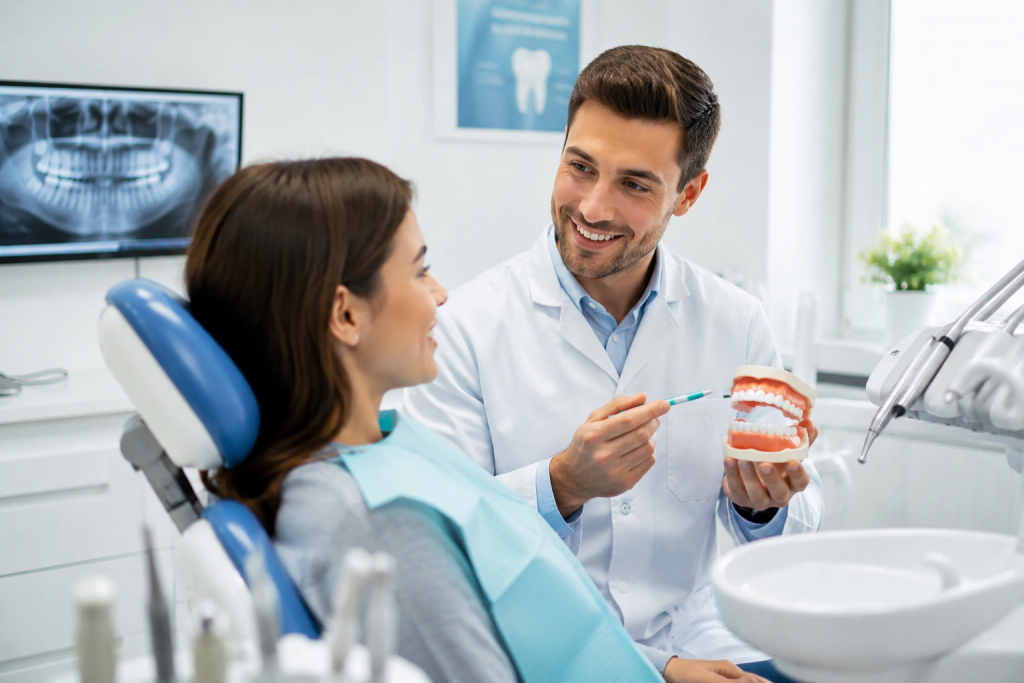
When a dental emergency strikes in Stockton, CA, you want fast, confident care that stops pain and protects your smile. Emergency dentists in Stockton offer same-day or after-hours appointments, immediate pain relief, and treatments like tooth re-implantation, temporary restorations, and infection control to stabilize problems quickly.
They will explain which situations require urgent attention, walk you through quick, practical steps to take at home, and describe what to expect during the visit so you feel prepared. Expect clear information about costs, insurance options, and follow-up care, plus tips to reduce the chance of future emergencies.
Recognizing Dental Emergencies
People should know how to spot problems that need fast dental care and which ones can wait. The signs below help identify pain, bleeding, or trauma that require urgent attention rather than home treatment.
Signs That Require Immediate Dental Care
Severe, unrelenting tooth pain—especially when it wakes a person at night—often signals an infection or a deep cavity needing prompt treatment. Sudden swelling of the face, jaw, or neck can indicate a spreading infection that risks airway compromise and must be seen the same day.
Uncontrolled bleeding after a tooth extraction or trauma that continues beyond 20–30 minutes despite pressure is an emergency. A cracked, fractured, or knocked-out tooth that affects appearance or function also requires immediate care to improve the chance of saving the tooth.
High fever (over 101°F / 38.3°C) paired with dental pain or swelling suggests systemic infection and should prompt emergency dental or medical evaluation.
Common Types of Urgent Dental Problems
Tooth abscesses present as a localized, throbbing pain with swelling, sensitivity to hot/cold, and sometimes pus drainage. These often require drainage, antibiotics, and root-canal treatment or extraction.
Traumatic injuries include avulsed (knocked-out) teeth, fractured crowns, and jaw fractures. For a knocked-out permanent tooth, quick action matters: keep the tooth moist (milk or saliva) and see a dentist within an hour for the best chance of reimplantation.
Severe dental fractures exposing nerves cause sharp pain and increased infection risk; crowns or root treatment are common fixes. Postoperative complications—prolonged bleeding, severe pain after an extraction, or dry socket—need prompt evaluation and management.
When to Seek Help vs. Home Remedies
Seek immediate professional care for uncontrolled bleeding, severe swelling, signs of systemic infection, a dislodged permanent tooth, or intense pain unrelieved by OTC medication. Emergency clinics and after-hours dentists in Stockton can provide antibiotics, drainage, splinting, or reimplantation.
Use short-term home measures only until a dentist can be reached: apply firm pressure with clean gauze for bleeding, cold compresses for swelling (20 minutes on, 20 off), and over-the-counter ibuprofen or acetaminophen for pain per package directions. Do not apply aspirin directly to gums or place aspirin on a tooth; that can damage tissue.
For mild chips, minor soreness, or temporary sensitivity, schedule a non-urgent appointment within a few days and avoid hard or sticky foods. When in doubt, call a dental office—early professional assessment prevents complications and preserves options.
Immediate Steps to Take During a Dental Emergency
Act quickly, stay calm, and prioritize stopping bleeding, saving any tooth fragments, and getting professional care within hours when possible.
What to Do If You Lose a Tooth
If a permanent tooth is knocked out, find it immediately by the crown (the chewing surface), not the root. Rinse the tooth gently with saline or milk — do not scrub, dry, or remove tissue fragments.
If possible, reinsert the tooth into the socket and hold it in place by biting lightly on gauze or a clean cloth. If reinsertion isn’t possible, store the tooth in cold milk or a tooth-preservation kit (HBSS); as a last resort keep it between the cheek and gum to stay moist.
Seek emergency dental care within 30–60 minutes for the best chance of reattachment. Bring the tooth in its storage media and any broken pieces. Expect X-rays, repositioning, and a splint; antibiotics or a tetanus update may be recommended.
Managing Severe Tooth Pain at Home
First, determine if the pain follows trauma, swelling, fever, or sensitivity to heat — signs of infection or damaged nerve. Rinse the mouth with warm salt water to reduce bacteria and gently floss to remove trapped debris that might cause pain.
Use over-the-counter ibuprofen or acetaminophen for pain control, following label dosing; avoid placing aspirin directly on gums. Apply a cold pack outside the cheek for 10–15 minutes to reduce swelling and numb pain.
Contact an emergency dentist in Stockton with symptom details, onset time, and recent dental history. They may provide immediate prescriptions for antibiotics or stronger pain relief and schedule an urgent in-office evaluation to diagnose abscess, fracture, or pulpal disease.
How to Handle Broken or Chipped Teeth
Collect any tooth fragments and rinse them in saline; bring them to the dentist. For small chips without pain, protect sharp edges with dental wax or sugar-free gum until treatment.
If the break exposes the tooth’s inner layer and causes pain or sensitivity, rinse with warm water and apply a cold compress. Over-the-counter pain medication helps until professional care is available.
An emergency dentist will assess with X-rays, smooth sharp edges, bond fragments or place composite resin, or recommend crowns for larger fractures. Prompt treatment prevents infection and restores function and appearance; ask about same-day repairs and sedation options if anxiety or extensive work is needed.
Modern Emergency Treatments Available Locally
Patients can expect rapid access to care, options that reduce anxiety during treatment, and modern pain-control techniques that allow safe, effective procedures. Local clinics combine same-day intake, sedation choices, and multimodal analgesia to resolve pain and preserve teeth when possible.
Same-Day Appointments and Rapid Relief
Most Stockton emergency dental clinics offer same-day or walk-in slots for toothaches, fractured teeth, and lost restorations. They triage by phone or online intake, then perform focused exams, digital X-rays, and pulp testing to diagnose the problem quickly.
Immediate measures often include temporary crowns, emergency fillings, or root canal therapy when pulp infection threatens the tooth. For localized infections, dentists provide incision and drainage plus a targeted antibiotic when indicated.
When extraction is necessary, clinics schedule it the same day and discuss immediate replacement options such as a temporary bridge or denture. Clear cost estimates and next-step plans are provided before treatment begins to reduce uncertainty.
Comfort-Oriented Procedures for Anxiety
Dental teams in Stockton routinely use patient-centered strategies to reduce anxiety during emergencies. They offer short pre-visit consultations to explain steps, set expectations, and tailor care to each patient’s comfort level.
On-site options include nitrous oxide (laughing gas) for mild-to-moderate anxiety, oral sedatives taken before treatment, and IV sedation for more complex or highly anxious patients; each option requires a medical history review and consent.
Clinicians also use topical anesthetics, buffered local anesthetic for faster onset and less sting, and breaks during longer procedures. Staff training in calming communication and gentle technique complements pharmacologic methods to make treatment tolerable.
Advances in Pain Management
Clinics combine local anesthesia, non-opioid analgesics, and targeted prescriptions to control acute dental pain with an emphasis on safety. Long-acting local anesthetics can provide hours of post-procedure relief, reducing immediate need for systemic meds.
For breakthrough pain, dentists prefer NSAIDs (ibuprofen or naproxen) often paired with acetaminophen because studies show superior pain control compared with opioids for many dental conditions. They reserve opioid prescriptions for severe cases and limit dose and duration.
When infection contributes to pain, antibiotics are chosen based on likely pathogens and patient allergies; drainage or definitive treatment accompanies medication. Providers also give clear written aftercare instructions, pain-management schedules, and follow-up plans to monitor recovery and adjust therapy if needed.
What to Expect at an Emergency Dental Visit
Patients can expect staff to focus on pain control, quick diagnosis, and practical short-term fixes that stabilize the problem. Comfort measures, targeted imaging, and a clear plan for follow-up care usually happen in a single visit.
Initial Assessment and Patient Comfort
When patients arrive, the team collects a brief medical and dental history, including current medications and any allergies. They ask about the timing, location, and severity of pain to prioritize treatment.
The clinician performs a focused exam: visual inspection, gentle palpation, and tests for tooth vitality when safe. If swelling, fever, or facial trauma is present, the dentist checks airway and systemic signs before dental treatment.
Pain control is immediate and practical. Options include topical anesthetic for soft-tissue sores, local anesthetic injections for isolated teeth, and short courses of prescription-strength pain relievers if needed. For anxious patients, nitrous oxide or oral anxiolytics may be offered.
Staff also address comfort measures: cold packs for swelling, soft-food recommendations, and written instructions for at-home care. They document everything and explain each step in plain language so patients know what to expect next.
Diagnostic Tools and Quick Solutions
The dentist uses targeted diagnostics to find the source of the problem. Common tools include periapical or bitewing X-rays, intraoral photos, and, when needed, a limited CBCT scan for suspected root fractures or impacted teeth.
Treatment focuses on rapid stabilization. For fractured teeth, options include smoothing sharp edges, temporary bonding, or placing a protective crown or splint when necessary. For dental abscesses, the dentist may perform drainage, start antibiotics if systemic signs exist, and schedule definitive root canal therapy.
For lost or damaged fillings and crowns, the team often provides temporary cement, re-cementation, or a temporary crown to restore function. For knocked-out teeth, timely reimplantation is attempted when the tooth and patient arrive quickly and the tooth is stored properly.
The practice documents the diagnosis, immediate procedures, and any prescriptions. Staff explain limitations of emergency care versus definitive treatment, and they provide realistic timelines for permanent solutions.
Follow-Up Care and Preventive Advice
Before discharge, the dentist outlines a clear follow-up plan with timelines: definitive root canal within 1–2 weeks, crown placement in 2–4 weeks, or urgent oral surgery scheduled within a few days. They provide written instructions and contact numbers for after-hours concerns.
Preventive advice focuses on minimizing recurrence. Patients receive specific recommendations such as proper brushing with a soft-bristled brush, using floss or interdental brushes at least once daily, and avoiding hard foods that could fracture weakened teeth.
If antibiotics or opioids are prescribed, staff review dosage, duration, and side effects, plus alternatives for pain control like acetaminophen or ibuprofen. They also schedule routine checkups and discuss potential restorations to strengthen teeth long-term.
Patients are encouraged to call the office with any worsening symptoms, persistent swelling, or new fever. The team invites questions and often offers a short follow-up phone call to confirm comfort and recovery.
Choosing the Right Dental Team in Stockton
Find a dental team that combines clinical skill, clear communication, and practical access so patients get timely relief and long-term care. The following points help pinpoint dentists who handle pain, infection, and urgent repairs while keeping comfort and follow-up care top of mind.
Qualities to Look for in an Emergency Dentist
Look for dentists with explicit emergency experience and relevant credentials. Board-certified general dentists and specialists who regularly treat trauma, severe pain, or infections reduce risk of complications.
Modern diagnostic tools — digital X-rays, intraoral cameras, and on-site labs — let the team diagnose quickly and plan same-day treatment when possible.
Patient comfort matters: ask about sedation options (nitrous oxide, oral sedatives), opioid-sparing pain protocols, and use of topical anesthetics for injections.
Treatment scope is important. Practices that perform extractions, root canals, and temporary restorations in-house avoid multiple referrals and speed recovery.
Verify clean infection-control records, clear written consent practices, and transparent pricing or emergency-fee policies before booking care.
Patient Reviews and Local Reputation
Check multiple review sources for patterns, not isolated comments. Look for consistent mentions of fast response times, clear explanations, and successful same-day fixes.
Prioritize reviews that describe outcomes: relief from swelling, infection resolved, or crown repairs completed successfully. These examples reveal clinical competence more than generic praise.
Local referrals from Stockton urgent care clinics, primary-care doctors, or other dentists indicate professional trust. Insurance network listings plus steady positive feedback from neighborhood patients add reliability.
Watch for repeated complaints about communication, surprise bills, or long waits; those signal systemic issues rather than single bad experiences.
Accessibility and After-Hours Availability
Confirm posted emergency hours and whether the practice maintains an after-hours phone line with a live clinician or a guaranteed callback time.
Ask if the dentist offers walk-in slots, same-day appointments, or priority scheduling for existing patients; these options matter during sudden pain or swelling.
Location and parking affect arrival time; choose a clinic near major Stockton corridors (Harrison, E March Lane, or Pacific Ave) to reduce transit delays.
Clarify payment options for emergencies: whether the office accepts major plans, offers payment plans, or provides clear out-of-pocket estimates before treatment begins.
Costs and Insurance for Urgent Dental Care
Patients can expect a range of pricing depending on treatment complexity, provider, and whether insurance applies. Knowing payment options, how to use dental insurance, and low-cost alternatives helps reduce stress during an emergency.
Understanding Payment Options
Most urgent dental clinics in Stockton accept cash, major credit cards, and debit cards. Some practices offer in-office payment plans that split the bill over 2–6 months with no interest; ask the front desk for eligibility and required ID.
Many clinics also partner with third-party healthcare credit companies (e.g., CareCredit) that approve patients quickly and let them pay over 6–24 months. Interest rates and deferred-interest terms vary, so patients should request the exact APR and any deferred-interest deadlines before signing.
For same-day procedures like extractions or root canal pain relief, expect a typical out-of-pocket range: $150–$400 for urgent exams and X-rays, $250–$800 for extractions, and $700–$1,500+ for emergency root canal plus restoration, depending on tooth complexity. Ask for an itemized estimate before treatment.
Tips for Navigating Dental Insurance
Verify whether the emergency dentist is in-network by calling the insurer and the clinic prior to treatment. In-network care reduces out-of-pocket costs; out-of-network providers often submit claims but balance billing may apply.
Confirm coverage for emergency exams, radiographs, and procedures like extractions or endodontics. Many plans cover urgent exams and palliative care partially, but restorations and root canals often hit annual deductibles or co-insurance limits. Get the insurer’s preauthorization when possible to avoid surprise bills.
Keep documentation: itemized receipts, CDT procedure codes, and provider tax ID. These speed claims and appeals. If a claim is denied, patients should file an appeal with the insurer and request a written explanation to guide next steps.
Affordable Solutions for Uninsured Patients
Community health clinics and dental schools near Stockton often offer reduced-fee emergency care; call local dental schools for supervised student clinics with lower rates. Federally qualified health centers (FQHCs) sometimes provide sliding-scale fees based on income and household size.
Negotiate a reduced cash price or an extended payment plan with the urgent care office before treatment. Many offices reserve a modest discount (5–20%) for uninsured, prompt-pay patients.
Consider prioritizing pain control and infection management on the first visit—such as an exam, X-rays, antibiotics, and temporary restorations—then schedule definitive, costlier treatment later. This staged approach spreads cost while addressing immediate needs.
Preventing Future Dental Emergencies
Small daily choices, protective gear during activities, and regular dental exams reduce the chance of sudden pain, broken teeth, or infection. Consistent brushing, a fitted mouthguard for sports or night grinding, and twice-yearly checkups catch problems early and keep restorative work intact.
Everyday Habits for Stronger Teeth
They should brush twice daily with a fluoride toothpaste for two minutes, using a soft-bristled brush and gentle circular motions to remove plaque without wearing enamel. Floss once daily, reaching slightly below the gum line to prevent decay between teeth; interdental brushes or water flossers help for tight contacts or bridges. Limit frequent snacking on sugary or acidic foods and choose water, milk, or unsweetened tea instead of soda; if acidic drinks are consumed, wait 30–60 minutes before brushing to avoid enamel abrasion. Use fluoride mouthrinse when recommended by the dentist and consider a professional topical fluoride treatment if cavities recur. Smoking cessation supports gum health and reduces risk of tooth loss and infection. Keep dental records of past restorations and medications; that helps the clinician choose conservative options that lower emergency risk.
Mouthguards and Protective Devices
They reduce traumatic fractures, tooth avulsion, and soft-tissue injuries during contact sports and high-risk activities. Custom-fitted mouthguards made by a dentist offer the best protection because they match tooth position, bite, and mouth shape; boil-and-bite options are better than nothing but often fit poorly. For patients who grind teeth at night (bruxism), a hard or dual-laminate occlusal guard prevents wear, reduces pain, and protects crowns or veneers from chipping. Advise replacing mouthguards when they show wear or after dental work that changes tooth shape. Use face shields and helmets for cycling or skateboarding where facial impact is possible. Keep an extra, labeled mouthguard in a clean case at practice or in a sports bag.
Routine Checkups and Early Detection
They spot small issues before they become painful emergencies, such as hairline cracks, failing restorations, or early decay under fillings. Schedule exams and cleanings every six months, or more frequently if the dentist recommends due to gum disease, dry mouth, or recurring cavities. Digital X-rays and intraoral cameras help detect hidden problems; ask the dentist for images and explanations during the visit to understand risks. If a crown, filling, or root canal shows signs of failure—sensitivity to biting, swelling, or darkening of a tooth—call promptly to avoid abscess formation. Maintain a list of medications and medical conditions, since diabetes and certain drugs increase infection risk and change treatment urgency. They should book a visit at the first sign of persistent pain, swelling, or loose restorations to limit emergency interventions.
Encouragement for Prompt, Comfortable Care
They should act quickly when dental pain or injury strikes; prompt care reduces complications and shortens recovery time. A same-day visit often prevents the need for more invasive treatments later.
The clinic prioritizes patient comfort from the first call. Staff explain options clearly, offer pain-control measures, and tailor care to each person’s needs.
Modern emergency clinics use gentle techniques and sedation options when appropriate to ease anxiety. These options include local anesthesia, nitrous oxide, and oral sedatives for those who need extra reassurance.
Patients can expect transparent pricing and clear explanations before treatment begins. Knowing the likely steps and costs helps people make informed decisions without added stress.
They encourage scheduling an evaluation even for uncertain symptoms, such as persistent pain, swelling, or a cracked tooth. Early assessment identifies minor problems before they escalate.
For ongoing peace of mind, the clinic provides preventive advice and follow-up care. Recommendations might include a short at-home care plan, a pain-management strategy, and a schedule for restorative treatment if needed.
Contact information and office hours are kept visible for quick access, and staff coach patients on what to do en route to the office. This simple guidance reduces fear and improves outcomes.
Call or message the clinic to arrange a prompt evaluation; staff welcome questions and will explain next steps in plain language.
Frequently Asked Questions
This section clarifies which dental problems need immediate care, what to do at night or on weekends, when to go to a hospital, and practical first-aid steps for knocked-out or chipped teeth. It also covers access options for urgent care when a regular dentist or funds aren’t available.
What counts as a true dental emergency versus something that can wait until regular office hours?
True dental emergencies include uncontrolled bleeding, severe facial swelling that affects breathing or swallowing, a tooth knocked out completely, and severe pain that prevents sleep or swallowing. Moderate pain, small chips without sharp edges, and lost fillings that don’t cause pain can usually wait for the next available dental appointment.
If I have a severe toothache at night or on the weekend, what should I do first to stay comfortable and safe?
They should rinse with warm salt water and gently floss to remove trapped debris, which often eases pain. Over-the-counter ibuprofen or acetaminophen can reduce pain and inflammation—follow package instructions and avoid placing aspirin directly on the gum.
Will a hospital emergency room help with tooth pain, swelling, or a broken tooth?
Emergency rooms will treat severe infections, airway compromise, and uncontrolled bleeding, and they can provide temporary pain relief and antibiotics. They rarely perform definitive dental repairs like crowns, root canals, or tooth re-implantation, so follow-up with a dentist remains necessary.
How quickly should I be seen if I have facial swelling, a dental abscess, or signs of infection?
They must seek care the same day for facial swelling, fever, difficulty breathing or swallowing, or rapidly worsening pain—those signs indicate spreading infection. For localized abscesses without systemic symptoms, they should contact a dentist within 24 hours for assessment and likely antibiotics and drainage.
What can I do at home for a knocked-out tooth or a chipped tooth before I get to a dentist?
For a knocked-out permanent tooth, they should hold it by the crown, rinse gently without scrubbing, try to reinsert it into the socket if possible, or store it in milk or saline and get to a dentist within 30–60 minutes. For a chipped tooth, they should rinse the mouth, save any broken pieces in milk, and avoid chewing on that side until a dentist evaluates possible bonding or a crown.
What are my options if I need urgent dental care but don’t have a regular dentist or can’t afford treatment right now?
They can call local dental clinics that offer urgent-walk-in hours or contact community health centers and dental schools for reduced-cost care. Some practices provide payment plans, sliding-scale fees, or short-term financing; they should ask clinics about emergency appointment fees and available assistance.