50% OFF INVISALIGN, 50% OFF DENTAL IMPLANTS

All-on-4 Implants Stockton CA: Gentle, Affordable Full-Arch Tooth Replacement with Expert Care

You ask whether All-on-4 implants in Stockton, CA can restore a full smile with fewer visits and lasting results. All-on-4 delivers a fixed, full-arch prosthesis supported by four strategically placed implants, often allowing same-day teeth that look and function like natural teeth.

They guide you through what to expect from consultation and planning to surgery, temporary restorations, and long-term maintenance so you can decide with confidence. Practical details about comfort, cost, choosing a Stockton provider, and how these implants compare to other options appear later in the article to help you take the next step toward a stable, comfortable smile.

Understanding All-on-4 Dental Implants

Blog image

All-on-4 replaces a full arch of teeth using four strategically placed implants and a fixed prosthesis. This approach reduces treatment time, often avoids bone grafting, and gives patients stable, chewable teeth in a single procedure.

How All-on-4 Differs from Traditional Implants

All-on-4 uses four implants per arch: two placed near the front vertically and two tilted posteriorly to maximize bone contact. Traditional implant treatments often use six to eight implants per arch and may require separate implants for each missing tooth.

Because the posterior implants are angled, All-on-4 can engage denser anterior bone and often eliminate the need for sinus lifts or extensive bone grafting. That shortens healing time and reduces surgical complexity.

All-on-4 typically provides an immediate provisional prosthesis the same day, allowing function and aesthetics during healing. Traditional staged approaches usually require multiple surgeries and longer wait times before final restorations.

Cost per arch for All-on-4 is often lower than placing many individual implants, but long-term maintenance and possible component replacement should be discussed up front.

Who Is a Good Candidate

Ideal candidates are adults missing most or all teeth in an upper or lower arch, or those with failing dentition seeking a fixed solution. Patients with reasonable overall health, controlled chronic conditions (like diabetes), and adequate bone in the anterior jaw often qualify.

Smokers, people with severe untreated periodontal disease, or those on certain bone-affecting medications (e.g., high-dose bisphosphonates) need careful evaluation and possible modification before proceeding. Bone grafting may still be necessary for some patients, but many avoid it with All-on-4.

A thorough exam — including CBCT imaging, medical history review, and occlusal assessment — helps determine candidacy. The dental team will discuss alternatives such as removable dentures or staged implant approaches when All-on-4 is not appropriate.

Long-Term Benefits for Patients

All-on-4 restores chewing function and speech more predictably than removable dentures, improving nutrition and quality of life. Fixed prostheses reduce movement, sore spots, and denture adhesives, which many patients find more comfortable day-to-day.

With proper oral hygiene and regular dental visits, prostheses on well-integrated implants can last many years. Components like acrylic teeth or screws may need maintenance or replacement over time, so patients should expect periodic appointments.

Psychological benefits include improved confidence and social comfort from a stable, natural-looking smile. The procedure also helps preserve jawbone by transmitting functional loads through implants, slowing resorption compared with traditional dentures.

The All-on-4 Treatment Process

This section outlines the timeline, what happens during surgery, typical aftercare, and how patients can walk out with immediate teeth. It focuses on practical steps, recovery expectations, and real-world details patients in Stockton, CA, should know.

Step-by-Step Timeline

Initial consultation and imaging start the process. The dentist or oral surgeon takes CBCT scans and digital impressions to assess bone density, sinus location, and nerve position. A personalized treatment plan lists implant positions, prosthetic design, and whether extractions are needed.

Pre-surgical planning often happens 1–3 weeks before surgery. Medical history, medication review, and any necessary pre-op antibiotics or mouth rinses are handled then. If extractions are required, the team schedules them with the implant placement to minimize visits.

Surgery day follows the plan—typically 2–4 hours for a full-arch All-on-4 procedure. A temporary fixed prosthesis is attached the same day in most cases. Final prosthesis delivery occurs after 3–6 months, once implants integrate and soft tissue stabilizes.

What to Expect During Surgery

Patients arrive with a prepped mouth and reviewed medical clearance. Local anesthesia with optional IV sedation or oral sedatives ensures comfort; general anesthesia is rarely necessary. The surgeon removes any failing teeth and places four implants—two straight in the front and two tilted in the back—to maximize bone support.

Implant placement uses guided templates derived from the CBCT plan for precision. The temporary acrylic or composite bridge is then secured to the implants, restoring function and appearance immediately. Procedure time varies by case complexity, but teams in Stockton commonly complete single-arch cases within a morning session.

Patients feel pressure and vibrations but not sharp pain during placement. The clinical team provides post-op instructions, immediate medications (pain control and sometimes antibiotics), and contact info for complications.

Aftercare and Healing

Expect swelling and mild to moderate discomfort for 3–7 days. Ice packs, prescribed or OTC pain relievers, and soft foods reduce symptoms. Avoid heavy chewing on the new prosthesis until the clinician confirms sufficient healing—usually 2–3 months of dietary precautions.

Oral hygiene matters: gentle rinsing with saline or chlorhexidine and careful brushing around temporary teeth help prevent infection. Attend follow-up visits at 1 week, 1 month, and then every few months to monitor osseointegration and tissue healing.

Smoking and uncontrolled diabetes slow healing and increase failure risk. Stockton clinicians screen and counsel patients on these factors, and may delay final prosthesis placement or recommend preparatory treatments like bone grafting when needed.

Same-Day Smile: How Immediate Results Work

Immediate loading uses the temporary prosthesis attached the same day as implant placement. The temporary is designed to distribute biting forces across implants while bone begins to fuse, allowing patients to leave with functional teeth. The temporary is not the final restoration; clinicians adjust it for fit and bite to protect healing implants.

Clinicians verify primary stability—typically implant torque values around 35 Ncm or higher—before loading. If stability is inadequate, they may postpone immediate loading and use a removable option instead. Patients should follow a soft-food diet for several weeks and avoid hard or sticky foods that place excessive force on the temporary bridge.

Final zirconia or hybrid prostheses are fabricated after confirming full integration, usually at the 3–6 month mark. The result is a durable, natural-looking arch that replaces missing teeth with fewer implants and fewer surgical sites than traditional methods.

Choosing a Dental Provider in Stockton

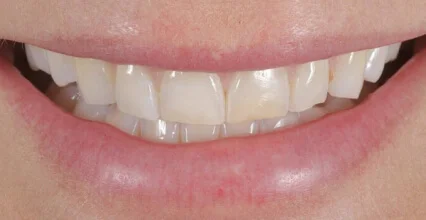
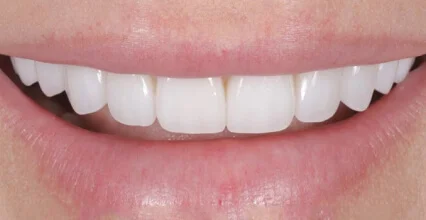
Patients should prioritize a provider who combines implant-specific training, hands-on experience with All-on-4 cases, and clear communication about costs and aftercare. Look for clinics that show before-and-after cases, explain the treatment timeline, and offer sedation or comfort options if needed.

What to Look for in a Specialist

Seek a dentist who lists “implant dentistry” or “prosthodontics” as a primary service and who performs implant surgery regularly in Stockton. Specialists often publish case photos, patient testimonials, and detailed procedure descriptions on their websites; review these for outcomes and complications management.
Check whether the clinic uses digital tools such as cone-beam CT (CBCT) for 3D treatment planning and guided surgery. These technologies improve implant placement accuracy and reduce surgical time, which matters for full-arch All-on-4 restorations.
Confirm availability of restorative expertise in-house. A team that includes both the surgeon and a prosthodontist or restorative dentist ensures the final bridge fits properly and looks natural.
Evaluate office logistics: appointment availability, emergency contact, sedation options (oral, IV), and proximity to your home or work in Stockton.

Questions to Ask at a Consultation

Ask how many All-on-4 procedures the dentist has placed in the past year and request to see recent, local case photos. Inquire about failure rates, how they handle complications, and typical timelines from extraction to final restoration.
Request specifics about imaging: “Do you use CBCT and virtual surgical planning for my case?” Ask which implant brands and materials they use and why. Durable, well-documented implant systems and high-quality zirconia or acrylic prostheses matter for longevity.
Clarify costs: ask for a written estimate that separates surgery, implants, temporary prosthesis, final bridge, and follow-up visits. Ask about financing, insurance coordination, and whether bone grafting or sinus lifts are included if needed.
Confirm postoperative care: what the follow-up schedule looks like, who handles repairs, and whether a warranty or maintenance plan is offered for the prosthesis.

Credentials and Experience Matter

Verify formal credentials: look for DDS or DMD plus additional training such as a prosthodontics residency, implantology fellowship, or continuing education certificates specific to full-arch rehabilitation. Board certification or membership in professional organizations like the American Academy of Implant Dentistry (AAID) or the American Academy of Prosthodontics adds credibility.
Check measurable experience: ask for the number of full-arch All-on-4 cases completed and average complication and success rates in their practice. Experience with same-day loading protocols and familiarity with immediate extractions and temporization are important for predictable results.
Read independent reviews and seek patient references when possible. Confirm that the clinic maintains sterilization standards, modern sterilization logs, and up-to-date state licenses for all clinicians.
Lastly, evaluate the team’s communication skills and comfort measures—those practical factors affect recovery and overall satisfaction with All-on-4 treatment.

Patient Experience and Comfort

Patients can expect detailed pain control plans, clear pre- and post-op instructions, and supportive staff to ease anxiety and recovery. The team prioritizes predictable outcomes and quick returns to normal eating and speech.

Pain Management and Sedation Options

The clinic offers three common sedation levels: local anesthesia for targeted numbness, oral sedation (usually a low-dose benzodiazepine) for relaxed awareness, and IV sedation for deeper sedation during surgery. Dentists review medical history and current medications to choose the safest option for each patient.

Local anesthesia typically eliminates pain during implant placement, while IV sedation maintains comfort and amnesia for longer procedures. After surgery, prescribed or over-the-counter analgesics—often acetaminophen or a short course of NSAID—control discomfort. Antibiotic regimens are individualized for infection prevention when indicated.

Patients receive written, step-by-step instructions for medication timing, what to avoid (e.g., driving after sedation), and emergency contact numbers. The clinic monitors vital signs during IV sedation and documents consent to ensure safety and clear communication.

Making the Office Visit Stress-Free

Staff conduct a pre-op consultation that includes a tour, implant timeline, and a digital CT scan review so patients know what to expect visually. They discuss dietary restrictions, travel arrangements, and any need for a caregiver after sedation.

During visits, team members use calming techniques: soft lighting, noise reduction, and continuous verbal updates so patients never feel left in the dark. The practice offers flexible scheduling with morning slots for faster recovery and minimized fasting time.

For patients with dental anxiety, the office provides nitrous oxide for mild anxiolysis and the option to meet the anesthesiologist ahead of time. Insurance coordination and transparent fee estimates reduce administrative stress before treatment.

Real Patient Stories

One patient, a 62-year-old teacher, chose All-on-4 after losing posterior teeth. She reported minimal pain with local anesthesia plus oral sedation and returned to soft foods in three days. Follow-up visits showed stable implants and easy hygiene with her new fixed prosthesis.

Another patient, a retired mechanic, preferred IV sedation due to previous dental fear. He appreciated continuous monitoring and woke with only mild soreness that resolved in a week. He emphasized the staff’s stepwise explanations and same-day provisional bridge as key comforts.

Testimonials often note rapid functional gains—clearer speech, firmer bite—and relief from removable denture hassles. The clinic documents outcomes and shares typical recovery timelines during consultations to set realistic expectations and build patient confidence.

Aesthetic and Functional Benefits

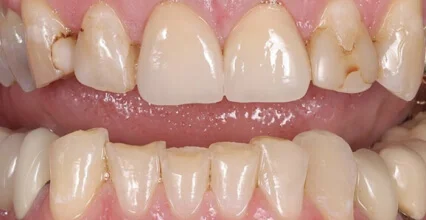
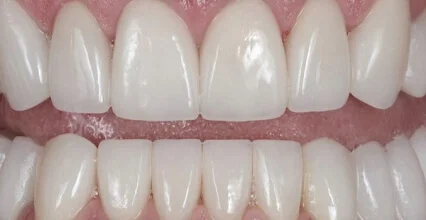
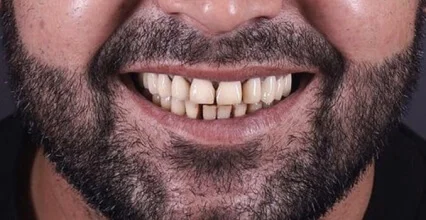
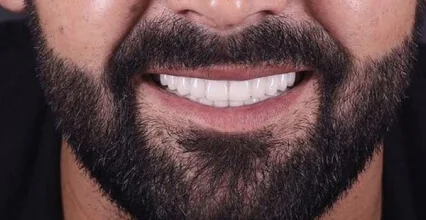
All-on-4 implants restore both appearance and function, giving patients a stable set of teeth that look natural and perform reliably. The design focuses on facial support, enamel-like tooth shapes, and a bite that lets patients eat and speak with confidence.

Natural Look and Feel

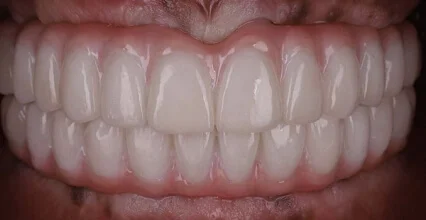
All-on-4 dentures attach to four implants that anchor a fixed prosthesis close to the gums, so teeth sit in the same position as natural teeth. Technicians match tooth shape, size, and shade to the patient’s facial features and remaining teeth for a harmonious smile.

The prosthesis uses high-quality materials such as porcelain or high-strength acrylic with layered ceramic for a lifelike translucency. This replicates enamel reflections and resists staining better than older denture materials.

Gum contours and pontic design recreate natural interdental spaces and papillae, reducing the “false denture” appearance. Patients report that the prosthesis feels solid against the palate and cheeks rather than bulky, improving comfort during daily wear.

Speech and Eating Improvements

Rigid fixation of the prosthesis eliminates common denture problems like slipping, clicking, or the need for adhesives, which directly improves speech clarity. Sounds such as “s,” “f,” and “th” become easier because the teeth maintain consistent placement relative to the tongue.

Bite force with All-on-4 approaches that of natural teeth, allowing safe chewing of a wider variety of foods — from crisp vegetables to lean meats — without excessive pressure on gums. This supports better nutrition and enjoyment of meals.

Because implants preserve jawbone volume, they help maintain facial proportions and occlusal relationships over time. Stable occlusion reduces muscle strain and uneven wear, which lowers the risk of jaw pain and improves long-term oral function.

If they have questions about cosmetic options or dietary expectations with All-on-4, patients should book a consultation to review materials, shade-matching, and realistic functional outcomes.

Cost Considerations and Financing

Costs vary by implant brand, number of implants, bone grafting needs, and the laboratory fee for the final prosthesis. Many patients balance upfront expense against long-term durability and reduced maintenance compared with removable dentures.

Understanding Pricing

All-on-4 pricing in Stockton often ranges from $18,000 to $35,000 per arch, depending on implant system and prosthesis material. This includes implant placement, temporary prosthesis, and final fixed bridge for most practices, but it may exclude bone grafts, extractions, or CT imaging when those services are required.

Clinics may offer tiered prosthesis options: acrylic hybrid bridges (lower cost) versus porcelain or zirconia bridges (higher cost, longer lifespan). Ask for an itemized estimate that lists surgical fees, implant components, lab fees, and follow-up visits to compare offers accurately.

Request information on guarantees and what postoperative care is included. Some offices include adjustments and one-year follow-up in the price; others charge separately for repairs or replacements.

Insurance and Payment Plans

Most dental insurance plans treat All-on-4 as prosthetics and may cover a portion of the final bridge but rarely cover full implant surgery. Patients should confirm specifics with their insurer and get predetermination letters when possible to avoid surprise denials.

Many Stockton practices offer in-house financing or partner with third-party lenders that provide 6–60 month plans; interest rates and approval requirements vary. Typical options include low- or no-interest promotional plans for 12–18 months or longer-term plans with fixed monthly payments.

Patients should compare total cost over the loan term, not just monthly payment. Ask about down payments, late fees, and whether financing covers additional procedures like bone grafting or sedation.

Value Over Time

All-on-4 often costs more upfront than removable dentures but typically reduces ongoing expenses like denture relines, adhesives, and frequent repairs. Durable materials like zirconia can last 10–15 years or longer with proper care, lowering lifetime cost per year.

Consider indirect savings: improved nutrition from stable chewing, fewer visits for adjustments, and less bone loss that can complicate future care. Request a five- to ten-year cost projection from the clinic showing replacement assumptions and maintenance visits.

Patients should weigh immediate budget limits against projected longevity and quality-of-life improvements. Many find financing plus a durable prosthesis yields better long-term value than repeatedly replacing cheaper alternatives.

Longevity and Maintenance

All-on-4 implants require routine home care and professional follow-up to stay healthy and functional. Proper daily hygiene, periodic exams, and occasional component maintenance help prevent complications and extend implant life.

Caring for All-on-4 Implants

Patients should brush twice daily with a soft-bristled brush and fluoride toothpaste, paying attention to the gum line where the prosthesis meets tissue. Use interdental brushes sized to the gaps under the prosthesis and water flossers to dislodge food debris; standard dental floss may be difficult to use depending on the prosthesis design.

Professional cleanings every 3–6 months are common during the first year, then usually every 4–6 months based on gum health and bone stability. During visits, the clinician will remove plaque, check torque on the abutments, evaluate tissue health, and take radiographs when indicated.

Avoid hard, sticky, or very chewy foods for prolonged periods, especially in the first few months after placement. If a screw loosens or a crack appears in the prosthesis, contact the dental office promptly; many repairs can be done chairside or by the lab without replacing the entire prosthesis.

Lifespan Expectations

With excellent oral hygiene and regular dental care, many patients keep All-on-4 prostheses for 10–20 years or longer, while implants (titanium fixtures) can last decades. Longevity depends on factors such as bone quality, smoking status, systemic health (e.g., uncontrolled diabetes), and the patient’s adherence to maintenance.

Monitoring focuses on peri-implant bone levels and soft-tissue health; a gradual bone loss of less than 0.2 mm per year after the first year generally indicates stable integration. If peri-implantitis or significant bone loss occurs, treatments range from non-surgical debridement and antibiotics to surgical regenerative procedures—early detection improves outcomes.

Questions about expectations, maintenance schedules, or repair options are best addressed during a consultation so the clinician can tailor recommendations to the patient’s oral condition and lifestyle.

Comparing Alternatives

Patients often weigh cost, function, and long-term care when choosing tooth-replacement options. Practical differences include stability, maintenance, treatment time, and how the choice affects diet, speech, and bone preservation.

Dentures Versus All-on-4

Traditional removable dentures sit on the gums and rely on adhesives or suction. They cost less upfront but often need relining every few years and can slip during eating or speaking, which may embarrass some patients.

All-on-4 uses four implants to anchor a fixed prosthesis, providing greater stability and chewing efficiency. It preserves jawbone better by transmitting load to the bone, reducing long-term bone loss that commonly alters facial appearance with dentures.

Maintenance differs: dentures require daily removal and soaking; All-on-4 prostheses are brushed like natural teeth and seen periodically for professional cleanings. Surgical and healing commitments for All-on-4 are greater initially, but many patients find the functional and lifestyle benefits justify the investment.

Other Full-Arch Solutions

Other full-arch options include implant-supported overdentures and full-arch restorations using 6–8 implants. Overdentures clip onto two to four implants and offer improved retention over dentures while remaining removable for cleaning.

Full-arch restorations with more implants distribute forces more evenly and may suit patients with higher bite forces or specific bone anatomy. They increase surgical time and cost but can increase prosthetic longevity and reduce stress on individual implants.

Choosing between options depends on bone quantity, budget, medical history, and lifestyle goals. A dentist will assess CBCT scans, bite dynamics, and patient priorities to recommend the most appropriate path.

Taking the Next Step

Patients interested in all-on-4 implants in Stockton can start with a simple consultation to determine candidacy. The dentist reviews medical history, takes X-rays or a CBCT scan, and discusses goals and budget.

The consultation answers common concerns about comfort, recovery, and longevity. It also outlines the timeline: planning, surgery, and follow-up appointments for final restorations.

Expect clear cost options and financing information during the visit. Many practices offer transparent pricing, payment plans, and insurance guidance to reduce surprises.

Before surgery, the team provides pre-op instructions and arranges any needed extractions or bone grafting. They also discuss anesthesia choices so patients feel safe and relaxed.

Aftercare plans focus on pain control, diet progression, and oral hygiene. Regular check-ups and professional cleanings help protect the new prosthesis and surrounding tissues.

To move forward, call the Stockton clinic to schedule a consultation or request an online appointment. They welcome questions and will help patients choose the treatment path that fits their life and smile goals.

Frequently Asked Questions

This section answers common concerns about implant-supported full-arch restoration in Stockton, including candidacy with bone loss, cost ranges and factors, timeline from consult to stable prosthesis, same-day teeth expectations, pain and sedation choices, and eligibility with chronic health conditions.

How do I know if I’m a good candidate for a full-arch implant solution if I’ve been told I have bone loss?

The dentist reviews clinical records, a CBCT scan, and medical history to assess bone volume and density.
Many patients with moderate bone loss qualify because All-on-4 and similar protocols use tilted implants or grafting when needed.

If bone grafting is required, the practice explains graft type, healing time, and success rates.
They also consider gum health, smoking status, and oral hygiene habits before recommending a plan.

What’s the typical price range for a full-arch implant treatment, and what factors can change the total cost?

In Stockton, full-arch implant treatments commonly range from about $18,000 to $35,000 per arch, depending on materials and lab fees.
Factors that change cost include the number and type of implants, whether bone grafting or extractions are required, and the prosthesis material (acrylic vs. zirconia).

Additional costs can come from imaging (CBCT), sedation, temporary prostheses, and follow-up maintenance.
Most practices offer financing or payment plans and will provide an itemized estimate after the initial exam.

How long does the process take from the first consultation to having a stable, natural-looking smile?

Initial consultation, imaging, and treatment planning usually take one to two visits over one to three weeks.
Surgery and placement of implants typically occur within a few weeks of planning, depending on scheduling and any preparatory work.

If bone grafts or extractions are needed, healing may add three to six months before final restorations.
When immediate-load protocols are appropriate, a stable provisional prosthesis may be placed the same day, with final prosthesis delivered after osseointegration, often three to six months later.

Will I have teeth the same day as surgery, and what can I expect during the healing period?

Many patients receive a provisional fixed prosthesis the same day when the surgical team determines primary implant stability is adequate.
The provisional looks and functions like teeth but may have dietary restrictions to protect implants during healing.

Expect swelling, mild bruising, and tenderness for several days to two weeks; clinicians prescribe pain control and antibiotics as indicated.
Follow-up visits monitor healing, adjust the provisional, and plan the final prosthesis once integration is confirmed.

Is the procedure painful, and what comfort or sedation options are available to help me relax?

Pain is controlled with local anesthesia during the procedure and prescription or over-the-counter medication afterward.
For anxious or lengthy cases, options include oral sedatives, nitrous oxide (laughing gas), or IV sedation, which the office discusses beforehand.

Most patients report manageable discomfort that improves substantially within a few days.
Clinicians provide clear post-op instructions and support to minimize pain and speed recovery.

Can people with autoimmune conditions or other chronic health issues still qualify for implant treatment?

Patients with controlled autoimmune diseases, diabetes, or cardiovascular conditions can often proceed, but the team coordinates with the patient’s physician.
Well-managed systemic health, stable medications, and good oral hygiene increase the chance of success.

Uncontrolled conditions, active infections, or certain medications (like high-dose immunosuppressants or recent bisphosphonate therapy) may require delay or additional precautions.
The dentist explains individualized risks, runs necessary screenings, and tailors the treatment plan to the patient’s overall health.